
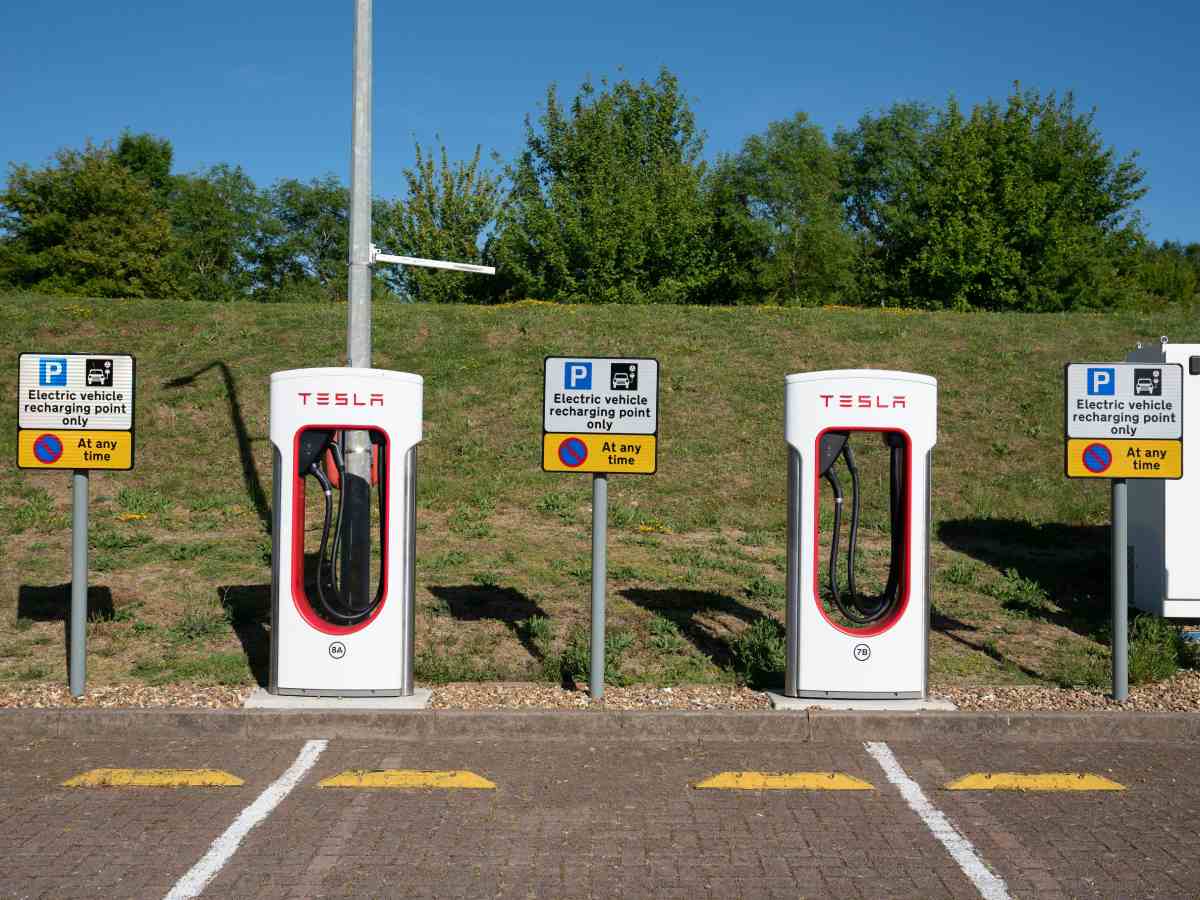
EV parking infrastructure failures result from gaps in visibility, enforcement, and allocation rather than a shortage of charging stations. Charging spaces are frequently misused, access remains inconsistent, and availability is often blocked due to the absence of structured control systems.
Without integrated parking compliance solutions, cities cannot monitor usage in real time, enforce access rules consistently, and maintain reliable availability. This creates a system-level gap where EV charging infrastructure cannot operate predictably or scale with growing demand.
Preparing EV-ready parking infrastructure for cities requires coordinated systems that ensure continuous visibility, consistent enforcement, and controlled access across all charging locations.
Table of Contents
Why EV Parking Infrastructure Fails Without System-Level Control?
EV charging spaces require controlled access and time-bound usage to remain functional. Unauthorized vehicles occupying these spaces or EV users overstaying reduce availability and disrupt access.
This creates a gap where charging spaces cannot be accessed when needed. Reduced availability lowers system reliability and discourages EV adoption in high-demand areas.
Without structured parking infrastructure for electric vehicles in cities, access remains inconsistent, and usage becomes unpredictable. This reduces overall infrastructure efficiency and limits cities’ ability to support growing EV demand.
Why Traditional Parking Systems Cannot Support EV Adoption?
Traditional parking systems rely on manual patrols, static rules, and delayed enforcement. These systems cannot detect violations in real time or respond to changing demand patterns.
This creates a gap in which violations go undetected, and enforcement remains inconsistent. Low detection certainty reduces compliance, allowing misuse of EV charging spaces to persist.
In high-density environments, EV demand fluctuates throughout the day. Static allocation and delayed enforcement cannot keep pace. As a result, cities cannot maintain reliable access or make accurate decisions about EV charging parking and infrastructure planning.
How Cities Can Prepare Parking Infrastructure for EV Adoption?
Preparing parking infrastructure for EV adoption requires integrated systems that combine real-time monitoring, automated enforcement, and data-driven planning. These systems create controlled environments where access is regulated, usage is monitored, and compliance is maintained consistently.
#1 By Implementing Digital Parking Systems for Centralized Control
Parking environments without centralized systems cannot effectively regulate EV charging spaces. Visibility remains limited, and enforcement coverage is inconsistent.
This creates a gap where cities cannot monitor usage across facilities or ensure consistent compliance.
Digital parking systems provide continuous visibility and centralized coordination across all parking assets. Monitoring, enforcement, and analytics operate through a unified platform.
This improves control, increases compliance, and supports EV-ready parking infrastructure in cities by ensuring consistent, predictable operations.
#2 By Enabling Real-Time Monitoring for Continuous Visibility
Without real-time visibility, unauthorized usage and overstays go undetected. Charging spaces remain occupied beyond permitted durations, reducing availability.
This creates a gap where violations are not identified in time, limiting access for authorized EV users.
AI-powered cameras and IoT sensors continuously monitor parking activity. These systems detect violations as they occur and accurately track usage duration.
Higher detection certainty improves compliance and ensures that EV charging spaces remain available. Continuous monitoring increases predictability and stabilizes infrastructure performance.
#3 By Integrating Parking and Charging Systems for Coordinated Operations
When parking management and EV charging systems operate separately, access control and usage tracking become fragmented. Cities lack unified oversight.
This creates a gap where charging availability, billing, and access cannot be managed consistently.
Integrated smart parking systems connect parking operations with EV charging infrastructure. Real-time availability, automated billing, and usage controls are integrated into a single system.
This coordination improves operational efficiency, ensures controlled access, and supports the scalable deployment of EV infrastructure.
#4 By Creating Structured EV Zones for Controlled Allocation
Unstructured or poorly defined EV charging zones lead to unauthorized usage. Vehicles occupy spaces without proper access, reducing availability for EV users.
This creates a gap where charging spaces cannot be allocated effectively.
Dedicated EV zones within municipal facilities provide a controlled framework for managing charging access. Digital systems enforce zone-specific rules and monitor usage in real time.
Clear allocation improves accessibility, reduces user conflict, and ensures that charging spaces are used as intended.
#5 By Using Data-Driven Planning for Optimized Deployment
Infrastructure deployed without accurate demand insights leads to underutilization in some areas and shortages in others.
This creates a gap where cities cannot align charging infrastructure with actual usage patterns.
Digital parking systems generate real-time and historical data on occupancy, dwell times, and violations. Cities can use this data to identify demand trends and optimize infrastructure placement.
Data-driven planning improves utilization, reduces inefficiencies, and ensures that resources are allocated where they are needed most.
#6 By Enforcing Compliance Through Automated Systems
Even well-designed infrastructure loses effectiveness without consistent enforcement. Unauthorized usage reduces availability and creates operational inefficiencies.
This creates a gap where violations persist due to limited enforcement coverage.
Automated enforcement systems use license plate recognition, digital citations, and violation tracking to ensure compliance. These systems operate continuously and apply rules consistently.
Higher detection certainty increases compliance and reduces repeat violations. Consistent enforcement ensures that EV charging spaces remain accessible and infrastructure operates reliably.
The Impact of EV-Ready Parking Infrastructure:
Structured parking systems increase compliance and reduce unauthorized usage of EV charging spaces. Higher detection certainty ensures that violations are consistently identified and addressed.
Improved allocation and real-time coordination increase availability and reduce access conflicts. Predictable access improves utilization and enhances user experience.
Efficient operations reduce congestion caused by vehicles searching for charging spaces. Reliable infrastructure encourages EV adoption by ensuring consistent, dependable charging access.
Closing Thoughts
EV infrastructure performance depends on structured parking management systems that ensure visibility, enforcement, and controlled access.
Cities that implement integrated systems improve compliance, maintain availability, and support scalable EV adoption. These systems create predictable environments that enable the charging infrastructure to function efficiently.
Without system-level coordination, even well-installed charging infrastructure remains underutilized and unreliable. With the right operational framework, cities can ensure that EV parking infrastructure supports long-term mobility and sustainability goals.
