
For a long time, we thought of office security as a giant stone wall: everyone inside the building was safe, and everyone outside was a potential risk. This worked fine when all the computers were plugged into the same wall, and all the data stayed on a server in the basement, but that is not how anyone works anymore. Nowadays, employees are working from home, airport lounges, or coffee shops, and the data they need is scattered across different apps on the internet. This shift has made the old way of using a private network gateway feel a bit like using a house key to protect a whole city because once someone gets past the front door, they can often go wherever they want. This is why people are moving toward a concept called zero trust, which is less about a single piece of software and more about changing how we grant permission to view data.
Why The Old Way Of Trusting Everyone Is Fading Out
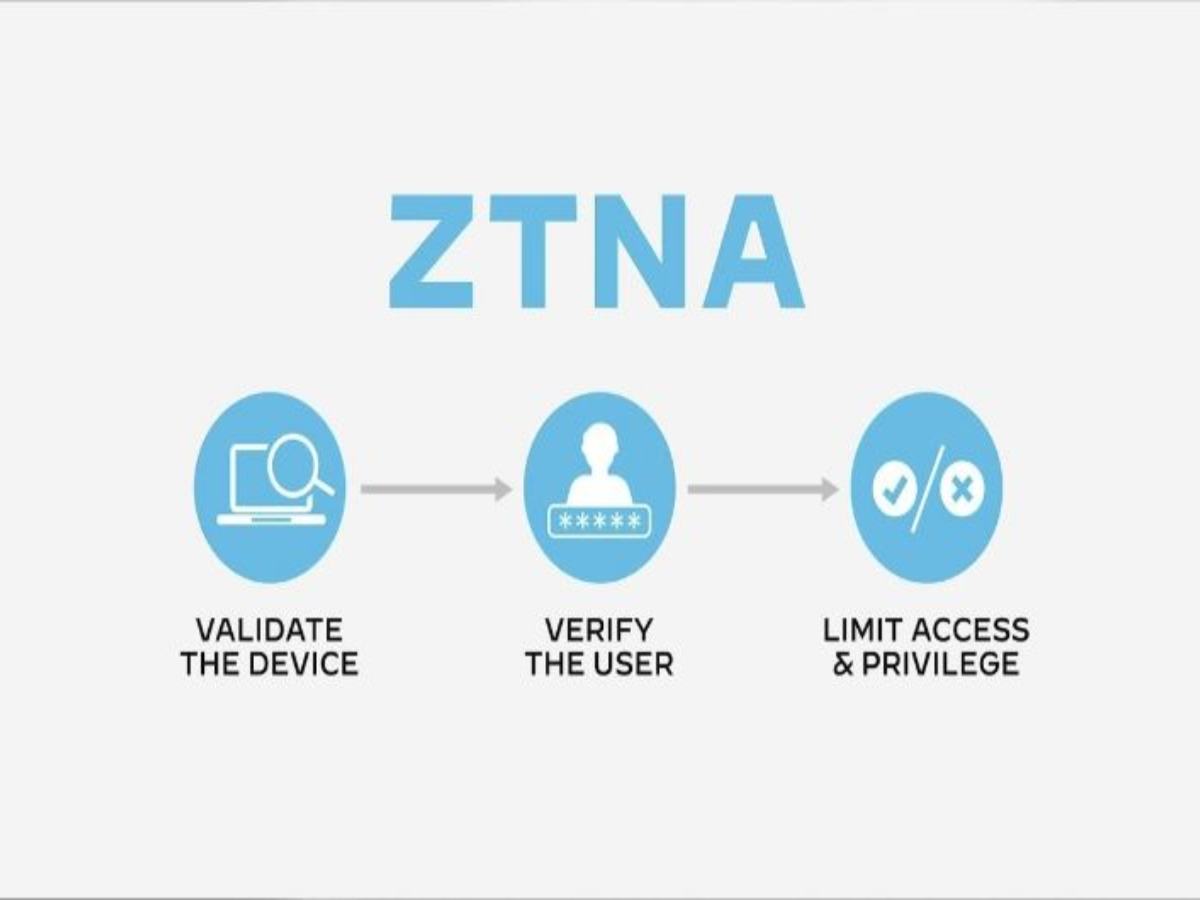
The main problem with older systems is that they tend to trust a user completely once they have logged in with a password. If a bad actor gets hold of those login details, they can wander around the internal files for weeks without anyone noticing because the system assumes they belong there. Zero trust changes this by assuming that nobody should be trusted by default, even if they are already inside the network. Every time someone tries to open a file or use an application, the system checks who they are, what device they are using and if they actually need that specific information to do their job.
A modern zero-trust network access solution works behind the scenes to verify these details without making the user jump through too many hoops. It checks things like the person’s location and whether their laptop has the latest updates before letting them through the door. A worker might use a personal phone to check a document, and that phone might not be as secure as a company laptop. Organisations like Tata Communications provide infrastructure that enables this constant checking, so a company can keep its data safe without slowing down the people who need to use it. It is a bit like having a security guard check your ID every time you enter a new room, rather than just once at the main gate.
The Move Toward Managed Protection For Everyone
Setting up these systems can be quite a task for a small team, as it involves many moving parts and constant monitoring to ensure everything is working as it should. This is why many organisations look to managed security services to keep an eye on their networks around the clock. Having an external group of experts handle the heavy lifting means the internal IT staff can focus on bigger projects rather than spending all day resetting passwords or checking logs. It is a very practical way to stay ahead of new threats that seem to appear every single week in the news.
When you use a service that handles your access, the experience is much smoother for the average employee. They do not have to worry about whether they are on a secure line, as the system handles that in the background. It also makes it much easier to hire people from different parts of the world, because you can give them access only to the specific folders they need without opening your entire database to a stranger. This kind of control is a major reason this way of thinking is reshaping how we view the modern office.
Thinking of security as a continuous process rather than a one-time setup helps a business stay resilient over the long term. It is not about buying the flashiest new gadget but about building a habit of checking and verifying every request that comes through the wires. As more people move their work to the web, this approach will likely become the standard for every company, regardless of its size. It makes sense to build these protections into the foundation of your network now, rather than patching things up after a problem occurs.
